Lesson 8:
Practicing seam or stitch
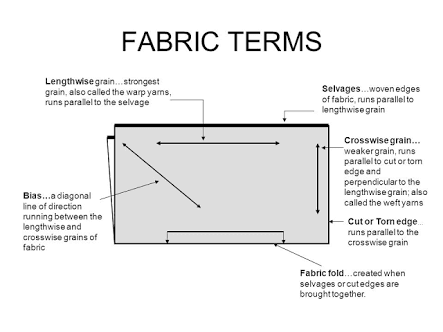
Take 20" square cloth and fold into half. And practice following stitches to get lines equally.
1 plain seam - straight single line
2 plain seam with 1/4 inch gaps. Which is used to remove stitches if we want to loosen it after
3 double seam - straight stitch done just next to each other with no gaps. Which is done to strengthen the line.
4. W stitch - stitch done cross with 1/4 gap. Which is done on dresses to get loose only on bottom end or only on top.
5 draw wave lines and try to stitch on line and practice.
6 same wave stitch stitching adjusent to each other.

7 square stitch- keep the needle on the cloth at the edge point of line and turn the cloth and start to stitch.

8 Back or reverse stitch - on every line of stitch start with reverse stitch and end with reverse stitch around 1/2" aprox. This will stop from stitches getting removed.

9 zigzag stitch - practice same as straight stitch in line and wave.
This is used to do applique works or in pillow cover sides.


10 zigzag overlocking - keeping 2 cloths together sew zigzag stitch at sides 1point should stitch on cloth and other point should stitch outside cloth. Which will protect uneven fabric threads from coming away.

Practice in square cloth with 2layers
Practicing seam or stitch
Take 20" square cloth and fold into half. And practice following stitches to get lines equally.
1 plain seam - straight single line
2 plain seam with 1/4 inch gaps. Which is used to remove stitches if we want to loosen it after
3 double seam - straight stitch done just next to each other with no gaps. Which is done to strengthen the line.
4. W stitch - stitch done cross with 1/4 gap. Which is done on dresses to get loose only on bottom end or only on top.
5 draw wave lines and try to stitch on line and practice.
6 same wave stitch stitching adjusent to each other.

7 square stitch- keep the needle on the cloth at the edge point of line and turn the cloth and start to stitch.

8 Back or reverse stitch - on every line of stitch start with reverse stitch and end with reverse stitch around 1/2" aprox. This will stop from stitches getting removed.

9 zigzag stitch - practice same as straight stitch in line and wave.
This is used to do applique works or in pillow cover sides.

10 zigzag overlocking - keeping 2 cloths together sew zigzag stitch at sides 1point should stitch on cloth and other point should stitch outside cloth. Which will protect uneven fabric threads from coming away.
Practice in square cloth with 2layers


Happy sewing
Thank you